








For advanced water cutting, you need to be very precise. Start by loading 2 gallons a day for 3 days, then 2.5 gallons a day for days 4 and 5. At the same time, cycle sodium: keep your normal intake during loading, increase it 3–4 days before the competition, and then cut it sharply 24–36 hours before the competition.
You should load up on carbs 24 to 36 hours before the stage to fill your muscles. Dandelion root and other natural diuretics are safer options than drugs.
These strategic changes will help you get the body you want.
The Science Behind Strategic Water Manipulation
A lot of athletes focus mostly on training and eating right, but water manipulation is still an important part of getting ready for a competition that is often not understood. Water cutting works by temporarily lowering the amount of fluid that is stored under the skin, making muscle striations easier to see. Your body actively controls the levels of electrolytes, which decide how water is spread out in muscle cells and under the skin.
Strategic hydration manipulation improves definition without significantly hurting performance when done correctly. But this isn’t just about drinking less water. It’s all about timing and making small changes over time that fool your body’s systems that control it. Your safety should always come first.
Too much dehydration can cause cramps, weakness, and serious health problems. The best competitors know that to cut water well, they need to be precise and keep a close eye on things, not go to extremes.
Progressive Water Loading
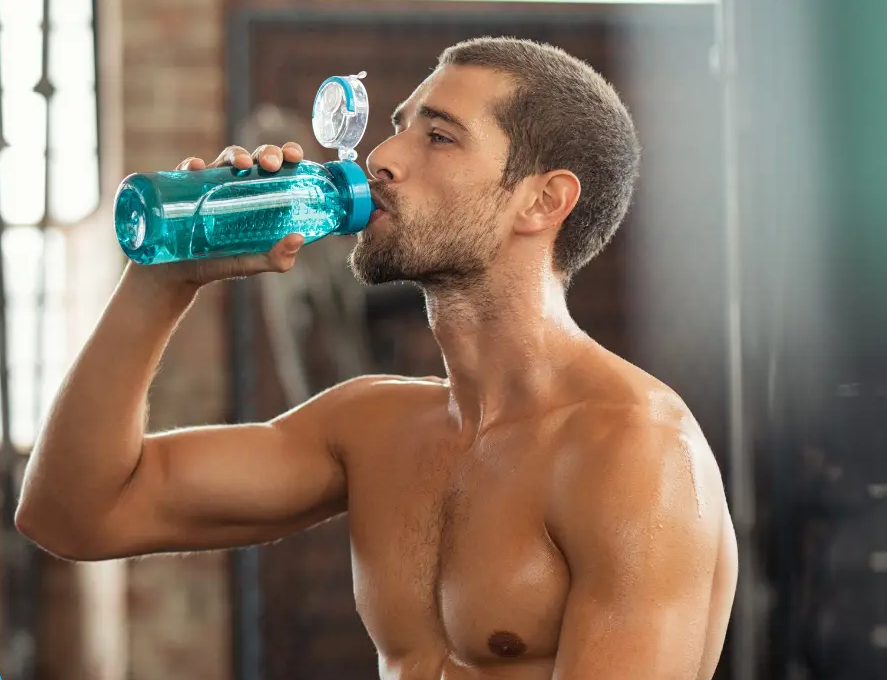
Progressive water loading is the best way to prepare for a competition because your body naturally adjusts to drinking more water by making it easier to get rid of waste. For the first three days, drink 2 gallons a day. Make sure you get enough electrolytes by taking sodium, potassium, and magnesium supplements.
On days 4 and 5, slowly raise the amount to 2.5 gallons, keeping an eye on your hydration levels. Check the color of your urine and your body weight. On day 6, cut back to 1.5 gallons. On the day of the competition, only take small sips to keep your body’s elimination response going.
Keep a close eye on how your body changes while you’re cutting water. Look out for signs of too much thirst, dizziness, or cramps. Have a plan for rehydrating ready right after the show. Start with small sips of fluids that are high in electrolytes to avoid dangerous rebound water retention.

Sodium Cycling for Maximum Vascularity and Fullness
Sodium manipulation works hand-in-hand with your water loading protocol to create that coveted competition look. Begin by maintaining normal sodium intake (2,000-3,000mg) during your water loading phase, then gradually reduce it as you approach competition day.
At 3-4 days out, increase sodium to 5,000-6,000mg to trigger your body’s flushing mechanism. Then sharply cut sodium 24-36 hours before stepping on stage, when your body will continue excreting sodium but retain less water subcutaneously.
Keep a close eye on your electrolyte balance. As sodium levels change, your intake of potassium, magnesium, and calcium should stay the same. After you have already made up your mind, add small amounts of sodium to help you rehydrate without hurting your body.
Properly cycling sodium during contest prep makes your skin look very thin while keeping your muscles full.
Carbohydrate Timing for Muscle Saturation
During your competition prep, managing your carbohydrates strategically is just as important as managing your water and sodium. Start with a gradual decrease in carbs for 5 to 7 days to empty your glycogen stores and make your insulin more sensitive while keeping your hormones in balance through your diet.
To get the most muscle saturation without spilling over, time your carb loading perfectly, usually 24 to 36 hours before stage time. You should eat 2.5 to 4 grams of carbs for every pound of body weight, and you should focus on fast-digesting foods like white rice and dextrose. To improve nutrient partitioning, take supplements like chromium and alpha-lipoic acid with your carbs.
Keep in mind that timing is more important than total quantity. Space out your carb meals so that you stay full without holding water under your skin.
Diuretics and Supplements
A lot of competitors use diuretics to change the amount of water in their bodies quickly, but you need to know both the big risks and possible benefits before adding them to your prep plan. When used incorrectly in bodybuilding, prescription diuretics can cause dangerous electrolyte imbalances, muscle cramps, and even heart problems.
Instead, think about natural options like dandelion root, vitamin C, and green tea that don’t dehydrate you as much. These supplements work best when you follow a plan to load up on water and then slowly cut back on it.
During water cutting, you should lower the intensity of your training so you don’t sweat too much or get too tired. Keep in mind that no competition is worth hurting your kidneys or going to the hospital. If you really want to use stronger supplements, find a coach who knows a lot about them and can keep an eye on your health and change your plan as needed.
Frequently Asked Questions
How Does Water Cutting Affect Hormone Levels and Thyroid Function?
Water cutting can disrupt your hormones by elevating cortisol and suppressing testosterone. Your thyroid function may slow down as your body enters conservation mode, potentially affecting metabolism and recovery.
Can Specific Foods Enhance or Hinder the Water Cutting Process?
Yes, certain foods impact your water cutting. Avoid sodium-rich foods, dairy, and processed carbs that cause retention. Choose asparagus, cucumbers, dandelion greens, and lean proteins that act as natural diuretics during your cut.
How Should Training Intensity Change During Peak Water Depletion Days?
Reduce training intensity by 50-70% during peak depletion days. You’ll need shorter workouts with higher reps but lighter weights. Focus on maintaining muscle fullness rather than strength or endurance gains.
What’s the Recovery Timeline for Natural Hormone Balance Post-Competition?
Your hormones typically recover within 1-3 weeks after competition. You’ll notice energy levels normalize first, followed by appetite regulation and sleep patterns. Stay hydrated and maintain adequate fat intake to support this process.
How Does Altitude Affect Water Manipulation Strategies Before a Show?
At higher altitudes, you’ll dehydrate faster, so you should reduce your water cut timeframe and increase electrolyte intake. Monitor your hydration closely and adjust your protocol to prevent excessive fluid loss.
