







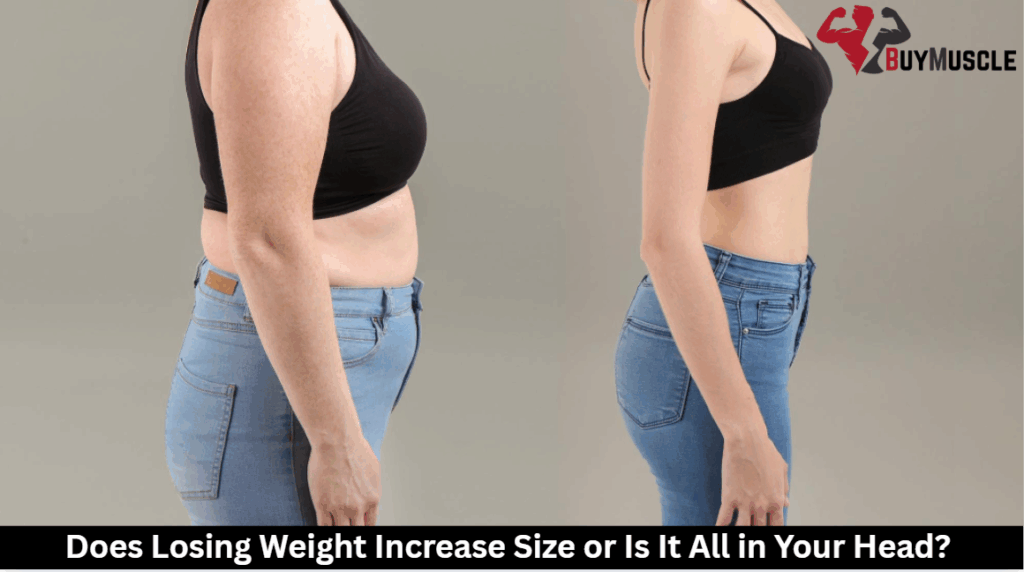
Losing weight doesn’t make your genitals bigger; it just shows what was already there. When you lose weight, the “pubic fat pad” gets smaller, which could make your penis look up to an inch longer for every 35 pounds you lose. Your better body proportions also make things look bigger than they really are.
Along with the confidence boost that comes from your new body, you’ll feel better physically and mentally in ways that go beyond just measurements.
How Fat Deposits Hide Length
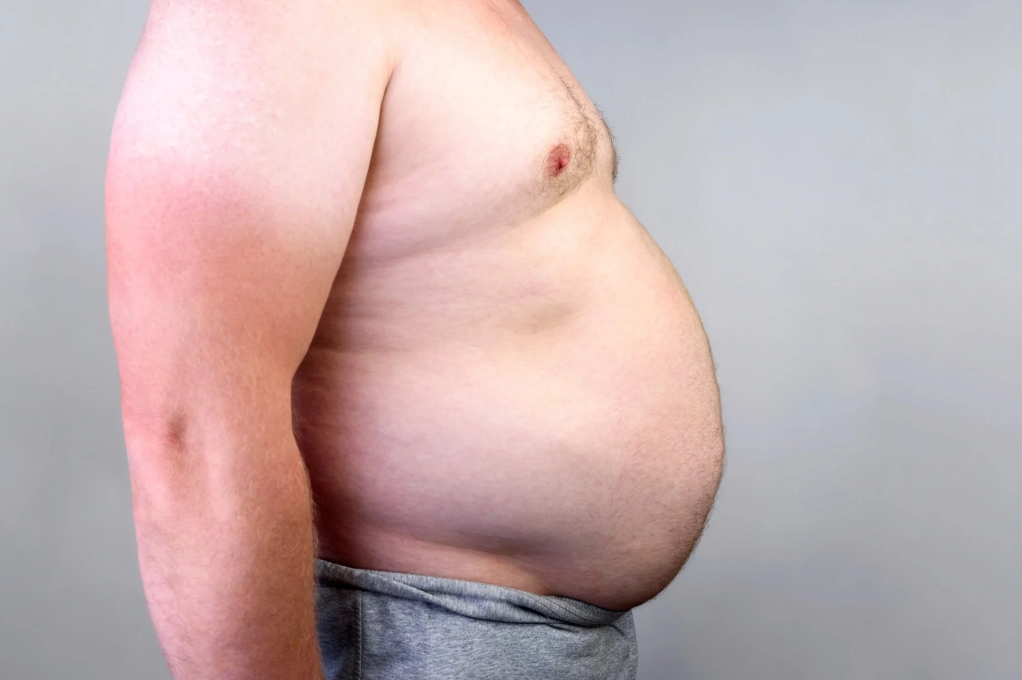
When you have too much fat on your body, it can literally bury the real length of your genitals under layers of fat. This phenomenon, which is often called the “buried penis,” has a big effect on how we see things. When you lose weight by cutting back on fat, you’re not really getting bigger; you’re just showing what’s already there.
Think of it like taking clay off a sculpture. As you lose weight, your body composition changes, which makes your muscles look better all over your body. The same rule applies to your genitals: the pubic fat pad can shrink by up to an inch for every 35 pounds you lose.
How much water you drink also affects how big everything looks. Well-hydrated tissues look fuller and more defined, which makes them look better without actually growing.
Body Proportions and Size Illusions
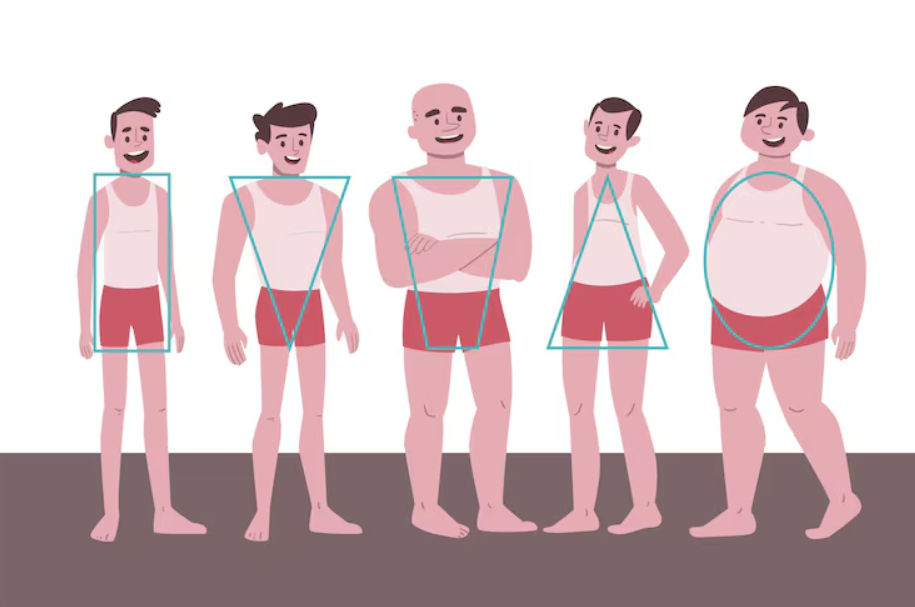
When you lose weight and change the proportions of your body, these changes can create strong visual illusions that make some features look bigger. When you lose subcutaneous fat, your body gets thinner and your muscles get more defined. It makes a striking contrast that tricks the eye.
Not only is this visual illusion physical, but your mind also plays a big role in how you see it. After years of seeing yourself with more body fat, suddenly revealing more muscle density can seem like a big change instead of just a simple revelation.
Your brain doesn’t use absolute measurements to compare your current proportions to those of your past self. This kind of comparison makes even features that haven’t changed look better. Knowing about this change in how you see things can help you keep your expectations realistic while you lose weight. It can also help you remember that what looks like size gain is often just better visibility of what was always there.
The Measurable Impact
Scientific research elucidates the correlation between weight loss and muscle size, transitioning from visual perception to empirical evidence. Studies show that real muscle hypertrophy doesn’t happen very often during weight loss phases, especially when you’re not eating enough calories.
Research shows that you can keep your muscle mass while losing fat if you keep doing strength training while losing weight. This preservation, along with less fat coverage, makes muscles look bigger. Interestingly, MRI studies show that the cross-sectional area of real muscles doesn’t change much during fat loss phases.
Your mental state is also very important. The big difference in how things look before and after often makes you think that things are bigger than they really are.
Confidence, Self-Image, and Sexual Satisfaction
People notice the physical changes that happen when they lose weight, but the mental benefits are often deeper and last longer. As you lose weight, your body image improves, and this changes how you see yourself in sexual and social situations.
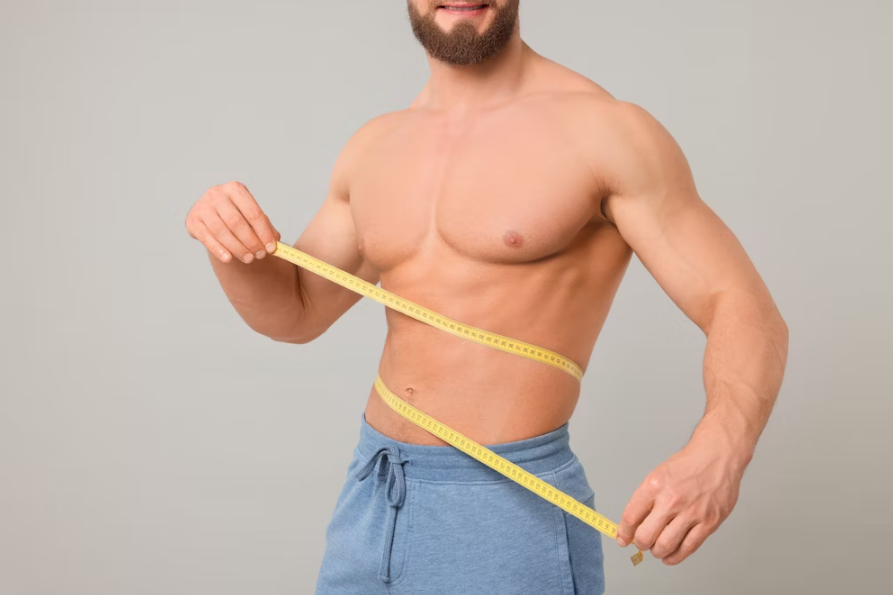
When you lose weight, the fat between your muscles goes away, making your muscles look more defined. This better body often sets off a positive feedback loop: you see more lean mass, which boosts your confidence, which makes you want to keep doing healthy things.
As your body changes, the way you think about size changes a lot. Many men say that they are more satisfied with their sex lives now that they feel more confident, not just because their bodies have changed.
This change in your mind is just as important as any change in your body. It will help you have a better relationship with your body in all areas of your life, not just in the bedroom.
Strategic Weight Loss
The mental benefits of losing weight also include changes in certain parts of the body. When you lose weight by balancing your energy levels, the area around your pubic area often changes a lot. Losing fat in this area can make your penis look longer just by getting rid of the fatty padding that used to cover its base.
Changes in body composition are more important than total weight. Losing fat while keeping muscle size the same makes the biggest difference in how you look. Keep in mind that temporary water retention can change how you look from day to day, so the best way to get results is to keep your weight stable.
Instead of spot reduction, which isn’t possible physiologically, focus on overall health for the best visual improvement. A long-term plan that includes both nutrition and exercise will change your pubic area and boost your confidence and function.
Frequently Asked Questions
Can losing weight make certain muscle groups stand out more?
Yes, losing weight can make some muscles stand out more. Losing weight reveals your muscles, showing the natural shape and contours that fat layers previously hid.
How long does it take to see muscle definition after losing weight?
If you lose weight steadily, you should start to see muscle definition in 4 to 8 weeks. Your results will be different depending on how much body fat you have to start with, how much weight you lose each week, and how much you exercise.
Does losing weight change how muscles look in men and women differently?
Yes, losing weight makes muscles look different in men and women. Natural differences in fat distribution mean women generally need lower body fat percentages to achieve the same muscle definition as men.
Can muscles look bigger without getting stronger?
Yes, your muscles can look bigger even if they don’t get stronger. When you lose fat, your muscles become more visible. Factors like better hydration or a temporary pump can make your muscles look bigger without actually making them stronger.
Does muscle memory have anything to do with how big you look after losing weight?
Yes, muscle memory helps you get back to your normal size faster after losing weight. When you go back to training, your muscles keep the cellular changes that let them define and fill out faster, which makes them look bigger faster.
