









Not all high-volume workouts are good for building muscle. More than 10 sets a week on each muscle group can lead to diminishing returns, according to research. Moderate volumes are what produce 80–90% of possible gains. Your ability to heal has a big impact on your results.
Some lifters do better with more volume, while others overtrain. The best way to train is to find a mix between volume and intensity (70–85% of 1RM) and to think about how well you can recover. The best way to build muscle rests on a number of factors, which we will talk about next.
What Science Says About Volume and Hypertrophy
Bodybuilders have been using high-volume training for a long time, but a new scientific study has shown why it works and why it doesn’t. For muscle growth, training volume (sets × reps ÷ weight) is directly related to increased metabolic stress and mechanical tension on muscle fibers.
Studies have shown that hypertrophy changes with volume in a way that depends on the amount, but only up to a certain point. In the end, how much traffic you can handle efficiently before you start seeing diminishing returns depends on how well you can recover. Some people do better with a lot of reps, while others get stuck or go backwards.
Progressionally overloading means gradually adding more work over time instead of going right into too much work. Your perfect training volume is somewhere in the middle of stimulus and recovery. This number can change depending on how much you train, your genetics, and your lifestyle.

What the Research Says About Low Volume vs. High Volume
The debate about whether to use low or high volume training has led to a lot of interesting studies in the last ten years. In the past, bodybuilders believed that high-volume workouts were best. However, new studies show that low-volume training can cause similar hypertrophy when done with enough intensity.
According to research, muscle protein production is at its highest level after about 10 sets per muscle group per week. After that, the benefits start to fade. You’ll probably see 80–90% of your possible growth from moderate volumes. It makes people wonder if approaches with very high volumes are worth the extra recovery work they require.
The most important thing is to get enough training in to promote growth while keeping quality high. According to your genetics, training experience, and ability to recover, you will respond better to higher or lower volume ways for the best workout results.

Capacity to Recover and Personal Response Factors
Because everyone’s ability to recover is so different, it’s not possible to give everyone the same volume of advice for muscle growth. Your genes, hormones, and the way you live all affect how quickly your muscles heal after being under mechanical stress.
Some people do best with a lot of training and a lot of it, but others might overtrain if they do the same amount of work. Alerts that your recovery capacity is overloaded include persistent fatigue, strength plateaus, and a loss of drive.
How you react to training stimuli is also important. It’s surprising how little volume some people need to gain muscle, while others need more sets to get the same benefits. The important thing is to find your own “sweet spot,” which is the point where you get the most growth stimulus without sacrificing healing.
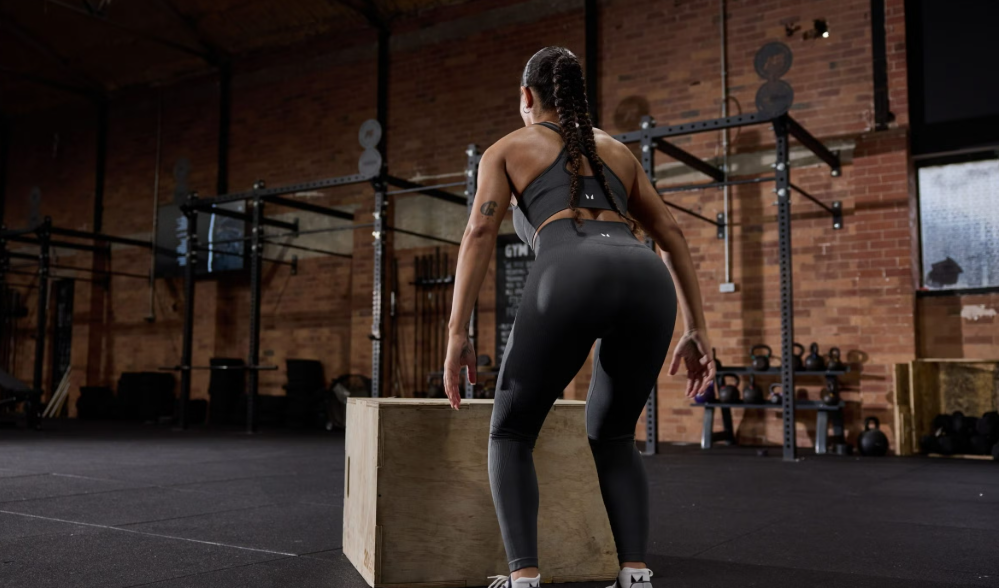
The Balance Between Intensity and Volume
One of the most important things you can do in your training to build muscle is to find the right mix between intensity and volume. According to research, doing more reps can help with growth, but how effective those sets are depends on how hard you work out.
If you do enough metabolic stress during resistance training at the right intensities (around 70–85% of your 1RM), you may not need as many sets to get the same benefits. Many lifters find that they do better when they lower the number of reps they do and increase the amount of effort they put into each set, leaving 1-2 reps in reserve instead of doing too many sets with too little energy.
Alternating between periods of higher and lower training volume allows you to monitor strength improvements while effectively managing fatigue. Your perfect balance is probably where you can keep up the intensity without making it harder to recover between workouts.
Practical Applications for Different Training Goals
When you customize your workout to reach specific goals, three different ways of thinking about training volume become clear. Aim for a moderate to high number of workouts with 10 to 20 sets per muscle group per week, 8 to 12 reps per session, and a moderate level of intensity (2 to 3 RIR).
If building strength is more important to you, cut back on the number of sets you do each week to 6–12 and raise the effort by doing fewer reps (3-6) and pushing yourself closer to failure.
A periodized method, which cycles between higher volume (accumulation) and higher intensity (intensification) phases, is the best way to build a well-rounded body with a reasonable amount of time. It keeps healing from getting stuck and avoids plateaus.
Remember that your ability to recover should determine your training sets more than a general prescription. Keep an eye on your progress and make changes as needed.
