








To avoid being hurt while bodybuilding after age 50, you’ll need to take a holistic approach. Begin with warm-ups that are easy on your joints, like light cardio and mobility exercises.
Pick low-impact changes that don’t hurt your biomechanics, and give yourself 48 to 72 hours between workouts to heal. Eat 1.2 to 1.6 grams of protein for every kilogram of body weight you have every day, and focus on foods that fight inflammation.
Take it slow with training cycles that find a balance between difficulty and recovery. These tactics will assist in protecting your joints while keeping your muscle gains.
Putting Joint-Friendly Warm-Up Protocols First
As you become older, your joints need more time to get ready for heavy-weight exercise. Your warm-up should gradually get your muscles moving and raise your core temperature. Do 10 to 15 minutes of light cardio followed by dynamic stretching.
Do mobility and flexibility exercises that work the joints you’ll be using during your session, such as your shoulders, hips, and knees. Foam rolling can help alleviate tension in connective tissues. These procedures set up safe lifting practices by improving proprioception and lubricating the joints.
To avoid injuries, do movement-specific workouts with light resistance before adding a lot of weight. This method is easy on your joints and gets your nervous system ready while putting less stress on it.
Remember that warm-ups are a key part of rehabilitation. They help your joints stay healthy in the long run and make your bodybuilding last longer.

Choosing the Right Exercise Changes for Your Age
After age 50, you need to think carefully about the workouts in your schedule, not just the warm-ups. Focus on changing your workouts so that they are good for your joints while still being hard on your muscles. Instead of doing high-impact exercises, do low-impact ones that are easier on your knees, shoulders, and back.
When doing resistance training, pick exercises that let you keep good form throughout the whole range of motion. Cable workouts save your joints from getting too much strain while still gaining strength, and machine-based movements can help you stay stable.
Think about doing more isolated workouts to work on certain muscles without putting too much strain on your joints.
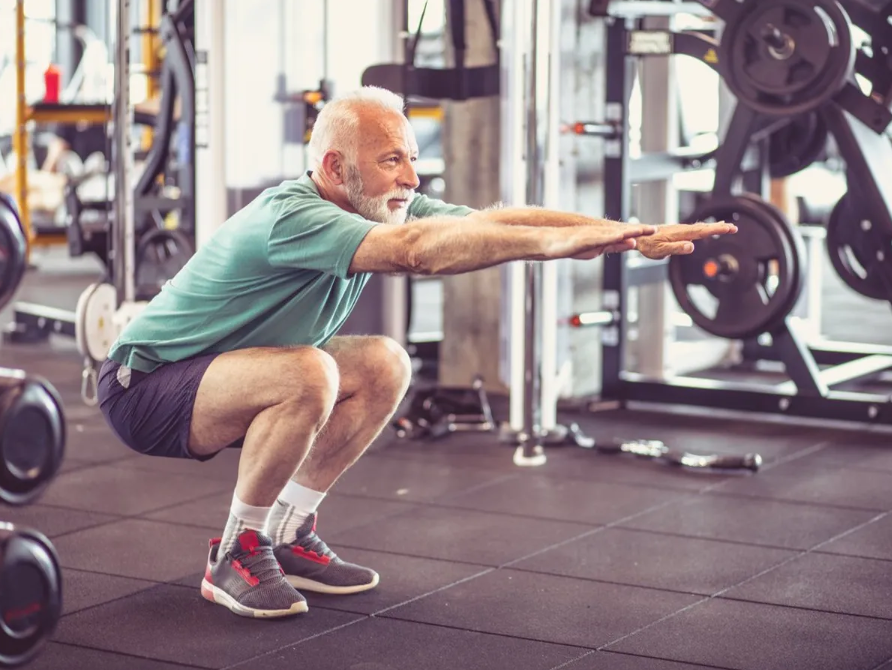
Don’t be afraid to change up classic exercises. For example, instead of doing heavy barbell bench presses, try dumbbell or incline versions. Instead of doing regular deadlifts, try trap bar or Romanian deadlifts that are better suited to your body’s evolving capacities.
Implementing Strategic Recovery Techniques
It’s still crucial to increase strength, but beyond age 50, your ability to recover drops a lot. That’s why strategic recovery strategies are so critical for your bodybuilding success. You should plan recuperation days between training sessions on purpose.
For the same muscle groups, these days should be between 48 and 72 hours long. It will help your tissues heal completely without raising the danger of damage.
Don’t think of rest as a waste of time; it’s when your muscles strengthen and stay healthy. Add active recuperation, like walking, swimming, or light stretching, to your days off to help blood flow without adding stress. Remember to balance progressive overload with adequate rest.
You should only raise the weights or reps when you are consistently doing the exercises with good form and feel fully recovered. Getting enough sleep, drinking enough water, and eating foods that fight inflammation all help your body mend itself.

Optimizing Nutrition for Muscle Preservation and Joint Health
Nutrition becomes more and more important beyond age 50. It is the basis for both keeping your muscles and joints healthy as you grow muscle. To fight muscle loss that comes with aging, you need more protein. Aim for 1.2–1.6 grams of protein per kilogram of body weight every day from good sources, including lean meats, seafood, and plant proteins.
When you lift weights beyond 50, don’t forget to eat foods that fight inflammation and are good for your joints. Add fish high in omega-3s, colored berries, and turmeric to your diet. Foods high in vitamin C and bone broth can help connective tissues stay strong, which can speed up recovery between exercises.
Staying hydrated is just as important. Make sure you drink enough water throughout the day. This mix of tailored eating plans can help you keep your muscle mass while keeping your joints from getting too much stress.
Developing Progressive Training Cycles That Prevent Overtraining
Progressive training cycles are the most important part of bodybuilding after 50. They perform best when you combine them with structured workout planning and good nutrition. To avoid being burned out, you need to carefully switch between times of hard strength training and enough rest.
Make changes to your workouts that take into account how your body is evolving. For example, instead of doing heavy barbell squats, try goblet or split squats. Pay close attention to any indicators of possible injuries, such as unusual discomfort, joint pain, or a drop in performance. These are all signs that you need to change your strategy.
Be careful while using progressive overload; add weight only after increasing the number of reps. Think about doing a 3-week cycle of higher intensity followed by a week of lower volume, which means cutting back on the amount of work you do by 40–50%.
This rhythmic method lets your body get used to the changes without being too tired, which can cause problems.
