








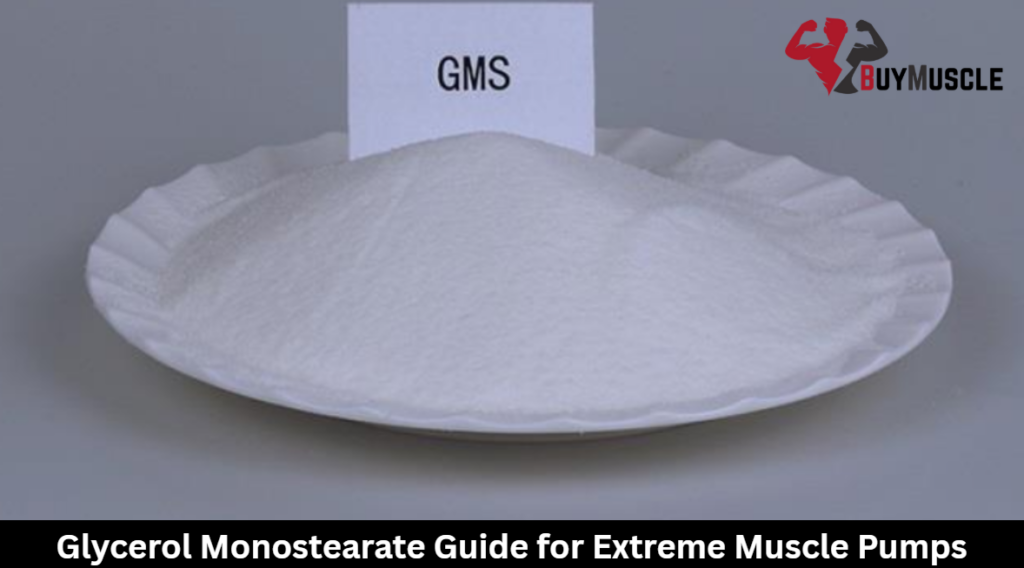
You’ll achieve superior muscle pumps with glycerol monostearate (GMS), a powerful osmotic agent that draws water directly into your muscle cells for enhanced volumization. Take 1-2 grams 30-45 minutes before training with 16-20 ounces of water to maximize intramuscular hydration and nutrient delivery.
GMS outperforms traditional nitric oxide boosters like citrulline by creating consistent muscle fullness throughout your workout, though you should avoid it if you have kidney or heart conditions. The complete optimization strategy reveals even more dramatic results.
What Is Glycerol Monostearate and How Does It Create Extreme Pumps?
Cellular hydration determines how full and vascular your muscles appear during training, and glycerol monostearate (GMS) acts as a powerful osmotic agent that draws water directly into muscle tissue. It creates an environment where your muscles become notably more volumized and pumped during resistance training.
Unlike nitric oxide boosters that focus on vasodilation, GMS works by enhancing cellular hydration at the intramuscular level. When you consume GMS pre-workout, it increases your muscle cells’ ability to retain water, leading to enhanced fullness and improved nutrient delivery. This mechanism supports better performance enhancement through increased training endurance and more intense muscle pumps.
The result is visibly fuller muscles with improved vascularity that can help you push through higher-volume sets with greater intensity and focus.
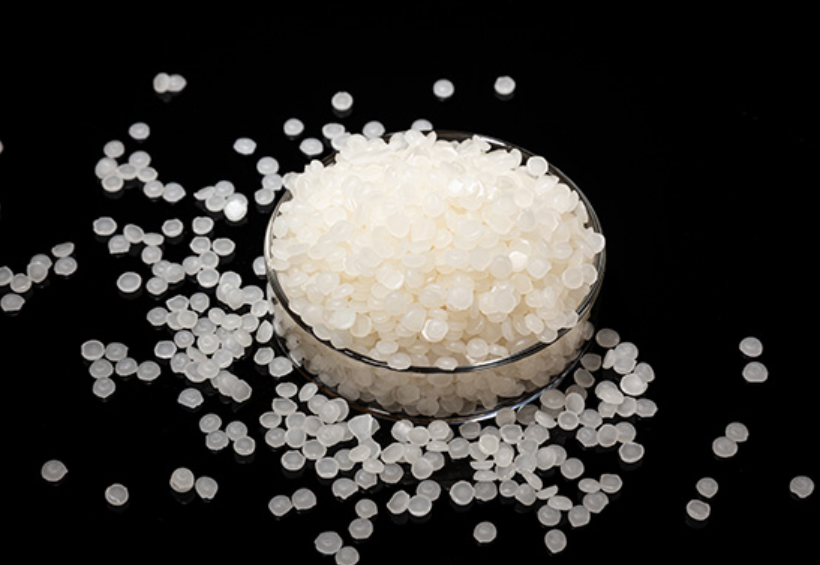
How GMS Outperforms Citrulline and Arginine for Muscle Volumization
While citrulline and arginine boost nitric oxide production for vasodilation, GMS takes a fundamentally different approach by directly increasing intramuscular water retention for superior muscle volumization.
You’ll notice glycerol monostearate creates fuller, rounder muscles by pulling water into muscle cells themselves, while nitric oxide boosters primarily expand blood vessels. This cellular hydration gives you more pronounced muscle definition and size during training.
Unlike citrulline’s temporary blood flow enhancement, GMS maintains consistent muscle fullness throughout your entire workout. You’re getting volumization that doesn’t diminish as your sets progress.
The hydration mechanism also supports better nutrient delivery and waste removal at the cellular level. When you combine GMS with traditional nitric oxide boosters, you’re maximizing both vascular expansion and intramuscular fluid retention for unprecedented pumps.

GMS Dosing Protocols for Maximum Pumps and Performance
Getting your GMS dosage right determines whether you’ll experience subtle fullness or the skin-stretching pumps that make every rep feel powerful. Start with 1-2 grams of glycerol monostearate taken 30-45 minutes before training. This dosing window allows ideal cellular uptake and hydration enhancement during your session.
For high-volume sessions exceeding 90 minutes, split your dose. Take half initially, then the remainder mid-workout with additional water. Your training intensity should guide adjustments: lighter sessions need standard dosing, while brutal leg days or high-volume hypertrophy work may benefit from the upper range.
Combine your pre-workout supplementation with 16-20 ounces of water to maximize fluid retention. Monitor your muscle pumps and vascularity as feedback. If you’re not feeling enhanced fullness within the first few sets, gradually increase your next session’s dose by 0.5 grams.
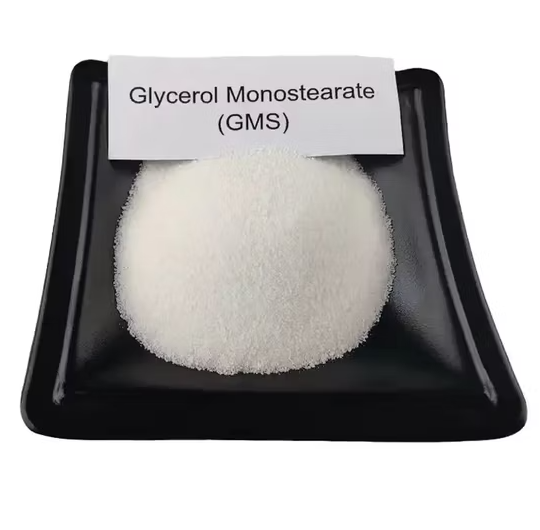
GMS Safety, Side Effects, and Who Should Avoid It
Although GMS is generally well-tolerated by most users, understanding its safety profile helps you avoid potential complications and maximize benefits. Glycerol monostearate’s common side effects include mild stomach upset, bloating, and occasional dizziness when you’re dehydrated.
The primary hydration risks occur when you don’t consume adequate water, potentially leading to cramping or electrolyte imbalances during intense training.
Those who should avoid it include individuals with kidney problems, heart conditions, or blood pressure issues, since GMS affects fluid retention.
People with diabetes should consult physicians before use, as glycerol can influence blood sugar.
Pregnant or nursing women shouldn’t take GMS supplements. If you experience persistent headaches, excessive bloating, or digestive issues, discontinue use immediately. Always start with lower doses to assess your tolerance before increasing intake.
Top GMS Supplements and Proven Stack Combinations
Now that you understand GMS safety considerations, choosing the right supplement and stack combinations becomes your next priority. Look for pure glycerol monostearate products with minimal fillers, typically offering 1-2 gram servings per dose. Top-rated brands include Gorilla Mode Nitric, Redcon1 Big Noise, and standalone GMS powders from reputable manufacturers.
For pump-focused workouts, effective stacking includes combining GMS with citrulline malate (6-8g), beetroot extract, and agmatine sulfate. This combination maximizes nutrient delivery through enhanced blood flow and cellular hydration. Add 3-5g creatine monohydrate for volumization synergy.
Start with lower dosage amounts when stacking. Reduce GMS to 1g initially while monitoring tolerance. Time your stack 45-60 minutes pre-workout with adequate water intake. Quality matters more than quantity when selecting your GMS supplement and building effective combinations.
