








You can’t get full, dry muscles until you learn how to control electrolytes. Sodium pulls water into muscle cells to make them fuller, and potassium pulls extra fluid from under your skin to give them shape. Calcium makes sure that muscle fibers work properly, whereas magnesium makes contractions work better and stops cramps.
Drink water at the same time as sodium-loading periods, eat meals high in potassium after working out, and don’t drink too much plain water, which lowers sodium levels. Get this balance just right, and you’ll show off the vascular, granite-hard look that only good training can give you.
Why Your Muscles Look Flat Despite Perfect Training and Nutrition?
Why do your muscles look flat and not full and round, even though you’ve followed your exercise plan and gotten your macros just right?
Most of the time, it’s an imbalance in your electrolytes that keeps your muscles from being full. When your muscles store glycogen with water, they seem tight and pumped. But this process fails miserably without the right amount of sodium and smart ways to stay hydrated.
When electrolytes are out of balance, your muscles can’t hold enough fluid inside them, which makes them flat and stringy. You could be drinking a lot of water, but if you don’t get enough sodium and potassium, you’re losing the key to showing off your real muscle definition.
Even if you eat the right amount of protein and work out hard enough, your muscles won’t look their best in three dimensions if you don’t get enough electrolytes.

How Electrolytes Control Muscle Fullness and Definition
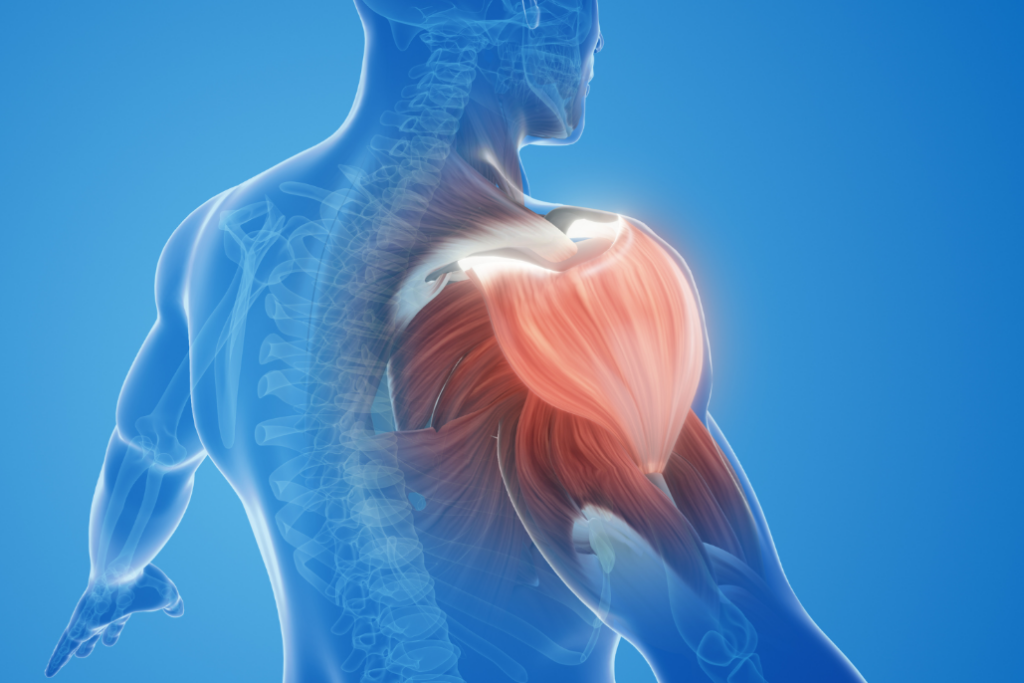
Learning about the link between electrolytes and muscles shows how these minerals control the way your body looks at the molecular level. Electrolytes govern how hydrated muscles are by controlling how fluids travel in and out of muscle cells. You will look full and pumped when salt pulls water into your muscles.
Potassium, on the other hand, pulls extra fluid out from under your skin to improve definition and vascularity.
Magnesium helps this process by making muscle contractions work better and stopping cramps that make it harder to work out hard. Your fluid balance decides if your muscles look flat and deflated or full and striated.
The secret is to use these minerals in a smart way to boost hydration inside the cells while lowering water retention under the skin. It makes the perfect mix of fullness and dryness that shows off muscle separation and definition.
Mastering Sodium and Potassium for Water Manipulation
Your hydration plans need to match this manipulation: drink a lot of water during the sodium-loading period, then cut back smartly. Timing of nutrients is important: eat potassium-rich foods like bananas and spinach after working out, when your muscles are ready to absorb them.
This planned method improves muscle vascularity by finding the right balance between being full and being dry. Having this balance right, and you’ll have the look of granite-hard, vascular skin that everyone wants.
The Magnesium and Calcium Connection to Muscle Volume
Magnesium and calcium are the quiet builders of muscle volume. They manage the cellular processes that decide whether your muscles look flat or stunningly full. These minerals control how hard and fast your muscles contract and relax, which directly affects your muscular pump during workouts.
Calcium makes muscle fibers contract, while magnesium helps them relax properly between sets. This balance has an effect on how well you can react to training and get the most out of each workout’s volumizing effects. Not getting enough magnesium might make it hard for your muscles to relax completely, which slows down blood flow and limits the pump you want.
To obtain the best performance, you need to receive enough calcium from dairy or leafy greens and enough magnesium from nuts, seeds, or tailored mineral supplements. This cooperation is particularly important for recuperation after a workout. Magnesium helps muscles relax, and calcium helps protein synthesis continue, which keeps muscles full.
Common Electrolyte Mistakes That Mess Up Your Body
Most athletes make blunders that make their muscles look flat and undefined, even though managing their electrolytes can completely change their bodies.
You probably drink too much plain water, which lowers salt levels and makes you hold onto water in an uncomfortable way. This bloated look hides the muscle definition you’ve worked hard to build.
Another typical mistake is not preparing your body for an exercise in a consistent way, such as drinking electrolyte drinks without thinking about how many minerals your body already has.
A lot of athletes also panic-cut all salt before competitions, which makes their muscles very flat. When you simply pay attention to sodium and not potassium and magnesium ratios, you hurt your body composition.
Stop making big changes all at once. Instead, keep an eye on how much you eat and make small changes over time to get the best muscular fullness.
