







After 40, Nutrition strategies requires a smarter nutrition approach. You’ll need 1.6 to 2.2 grams of protein per kilogram of body weight daily, focusing on leucine-rich foods like eggs, chicken, and salmon. Spreading protein across four to five meals keeps your muscles consistently nourished and prevents breakdown.
Supplements like creatine, vitamin D, and omega-3s can further support your efforts. There’s much more to uncover about building a strategy that truly works for your body.
Why Muscle Loss Accelerates After 40
After 40, your body’s ability to build and maintain muscle begins to decline at a rate of roughly 3–8% per decade, a process known as sarcopenia. Without intentional effort toward muscle preservation, this loss compounds quietly over time.
Several factors drive aging and muscle loss. Testosterone and growth hormone levels drop, slowing protein synthesis, and recovery optimization becomes harder. Your muscles also grow less responsive to anabolic signals, meaning you need more protein to trigger the same rebuilding response.
Sarcopenia prevention isn’t automatic. It requires strategic action. Hormonal balance plays a critical role, influencing how efficiently your body uses nutrients to repair and build tissue. Understanding these shifts is your first step toward building a nutrition plan that actually works against the clock.

How Much Protein You Actually Need After 40
When it comes to protein after 40, the standard recommendations simply aren’t enough. Research consistently shows your daily protein requirements should reach 1.6 to 2.2 grams per kilogram of body weight to counter age-related muscle loss. That’s considerably higher than general dietary guidelines suggest.
Prioritize leucine-rich meals, since leucine directly triggers muscle protein synthesis. Think eggs, chicken, Greek yogurt, and whey protein.
Nutrient timing matters too. Spreading your protein intake across three to four meals maximizes your body’s anabolic response rather than concentrating it in one or two sittings.
Finally, don’t overlook caloric balance. Eating enough total calories guarantees protein gets used for muscle repair, not burned as fuel.

High-Protein Foods That Actually Slow Muscle Loss
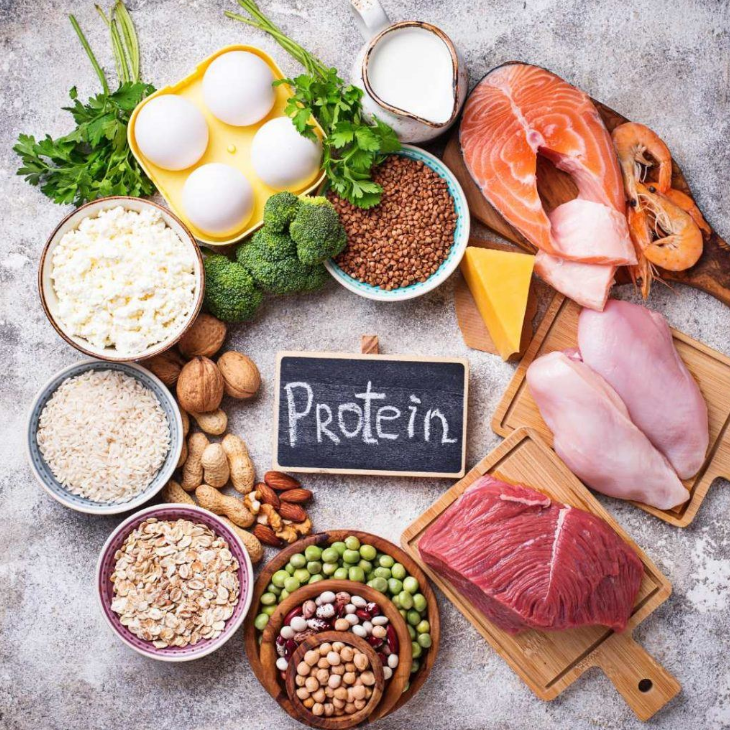
Knowing which proteins to prioritize can make the difference between slowing muscle loss and accelerating it. Not all high-protein foods deliver equal benefits for protein synthesis, especially after 40. Focus on leucine-rich sources like eggs, chicken breast, Greek yogurt, and salmon. These foods directly trigger muscle-building pathways that become less responsive with age.
Cottage cheese and whey protein provide concentrated branched-chain amino acids (BCAAs), making them excellent anti-catabolic strategies between meals or post-workout. Fatty fish like salmon also delivers omega-3s, which enhance resistance training support by reducing muscle inflammation.
Plant-based options like edamame, lentils, and tempeh contribute meaningfully when combined strategically. You don’t need exotic foods. You need consistent, leucine-dense choices spread across your day to protect the muscle you’ve built.
Meal Timing Strategies That Protect Muscle Retention
Timing your meals strategically can be just as important as what you eat, particularly once muscle protein synthesis becomes harder to trigger after 40. Rather than eating two or three large meals, spreading your protein intake across four to five smaller ones improves your body’s anabolic response throughout the day.
Nutrient timing around training matters greatly. Consuming protein within 30 to 60 minutes post-workout accelerates recovery and reduces muscle breakdown. Pairing it with fast-digesting carbohydrates enhances that response further.
Don’t overlook meal frequency during rest days either. Your muscles still need consistent nourishment to prevent catabolism. A protein-rich snack before bed, such as cottage cheese or casein-based supplementation, supports overnight recovery when your body repairs muscle tissue most actively.
The Supplements That Support Muscle Retention After 40
Meal timing lays the groundwork for muscle retention, but the right supplements can reinforce those efforts considerably. For strength maintenance after 40, creatine monohydrate stands out as one of the most research-supported options available. It enhances power output during resistance training and helps preserve lean mass over time.
Branched-chain amino acids (BCAAs) can reduce muscle breakdown, particularly when you’re training fasted or in a caloric deficit. Vitamin D plays a critical role in muscle function and hormonal regulation, and many adults over 40 are deficient without realizing it.
Omega-3 fatty acids reduce inflammation, support joint health, and improve muscle protein synthesis. Combined with consistent training and smart nutrition, these supplements give your body the tools it needs to fight age-related muscle loss effectively.
